
How to Improve Skin Elasticity With Face Masks
-
 By
Admin
By
Admin

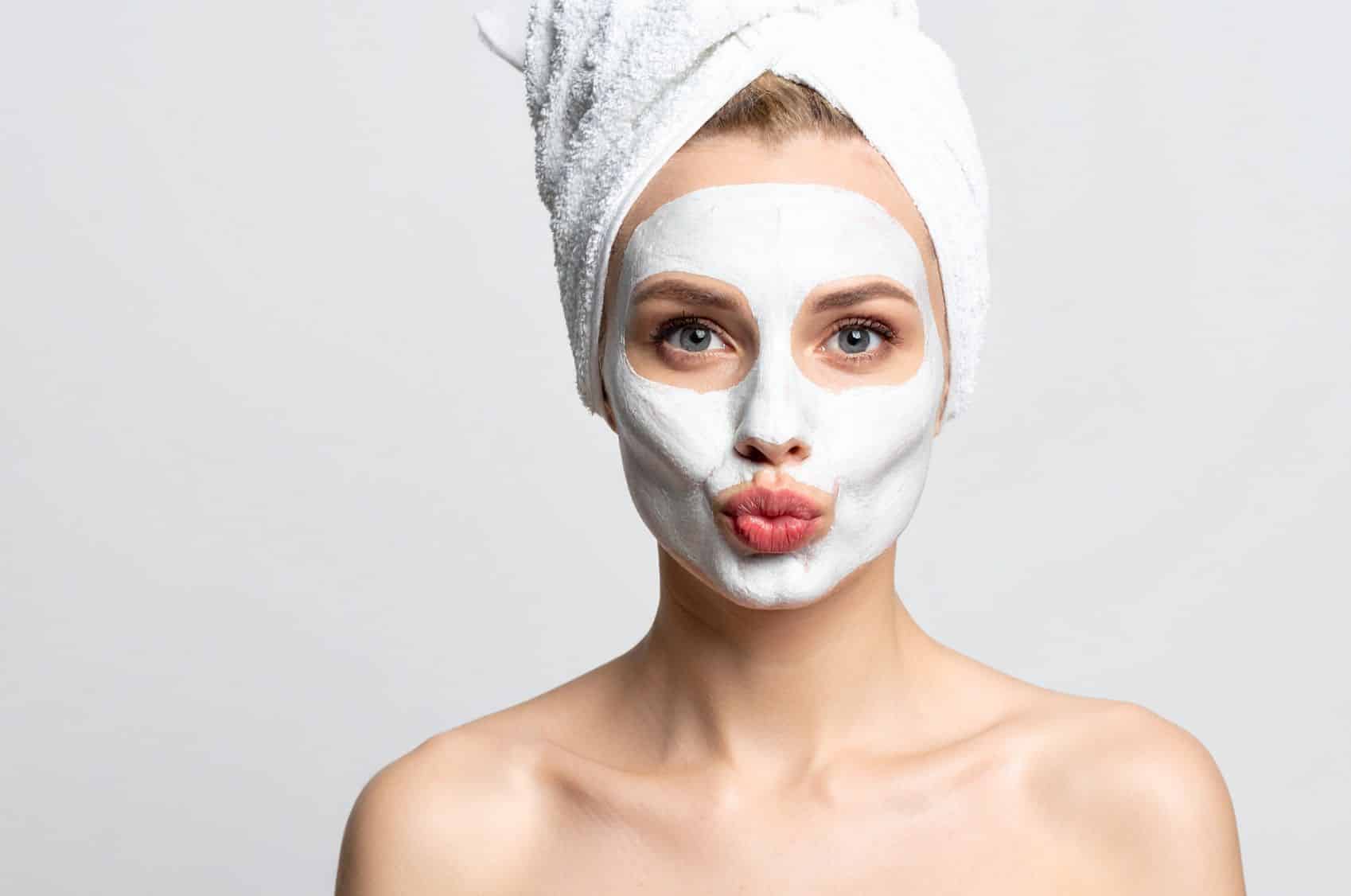
Maintaining firm, bouncy skin is a common goal in any proactive skincare routine. While daily serums and moisturizers provide a necessary foundation, incorporating a targeted skin elasticity face mask can offer the concentrated boost needed to visibly improve skin’s “snap-back” quality.
This guide explains how face masks help improve skin elasticity and how to choose the right one for your needs.
Why Skin Loses Elasticity and How Face Masks Can Help
Skin elasticity refers to your skin’s ability to stretch and return to its original shape. This function is largely controlled by collagen and elastin. As we age, production of these proteins slows down, while environmental stressors like UV exposure and pollution accelerate their breakdown.
This leads to sagging, fine lines, and reduced firmness.
Face masks help support skin elasticity through occlusion. By forming a temporary barrier, they prevent moisture loss and allow active ingredients to penetrate more effectively. This makes them especially useful for delivering firming and hydrating ingredients deeper into the skin.
Best Ingredients to Look for in a Face Mask for Skin Elasticity
When choosing a skin elasticity face mask, focus on ingredients that support collagen production and improve hydration.
| Ingredient Category | Key Examples | Benefit for Elasticity |
|---|---|---|
| Peptides | Palmitoyl Tripeptide, Copper Peptides | Support collagen and elastin production |
| Hydrators | Hyaluronic Acid, Glycerin | Plump the skin and reduce the appearance of sagging |
| Barrier Repair | Ceramides, Niacinamide | Strengthen the skin barrier and reduce moisture loss |
| Fermented Actives | Bifida Ferment Lysate | Support skin renewal and long-term firmness |
| Antioxidants | Vitamin C | Protect collagen from environmental damage |
Which Type of Face Mask Works Best for Elasticity?
Sheet Masks
Sheet masks are ideal for quick results. They help prevent evaporation and allow ingredients to stay in contact with the skin. Choose formulas rich in peptides and hydrating ingredients for a temporary firming effect.
Cream and Overnight Masks
These are more effective for long-term elasticity support. Because they remain on the skin longer, they provide sustained hydration and ingredient delivery. Overnight masks work well with the skin’s natural repair cycle.
Clay Masks
Clay masks are useful for oil control but may be too drying if your goal is elasticity. If used, always follow with a hydrating or firming treatment.
How to Use a Face Mask for Better Firming Support
- Double cleanse: Remove oil and impurities so active ingredients can absorb properly.
- Exfoliate gently: Helps the mask penetrate more effectively (1–2 times per week).
- Apply upward: Use lifting motions when applying cream masks.
- Stay consistent: Use a firming mask 2–3 times per week for best results.
What to Look for in an Anti-Wrinkle Face Mask
- Contains peptides or collagen-supporting ingredients
- Includes strong hydration components like hyaluronic acid
- Supports skin barrier repair
- Provides sustained delivery (cream or overnight formats)
- Targets both hydration and firmness, not just surface moisture
If you want a formula that combines hydration and firming support in one treatment, the Time Reverse Anti-Wrinkle Reviving Mask is designed to address both concerns through a multi-layered approach.
Frequently Asked Questions
How often should I use a face mask for skin elasticity?
Using a firming mask 2–3 times per week is generally effective for most skin types.
Can a face mask really tighten skin?
While it cannot replace medical treatments, a good mask can improve skin firmness and elasticity over time.
Should I wash my face after using a sheet mask?
No. Gently pat the remaining serum into your skin and follow with moisturizer.
At what age should I start using elasticity-focused masks?
It’s beneficial to start in your late 20s or early 30s when collagen production begins to decline.