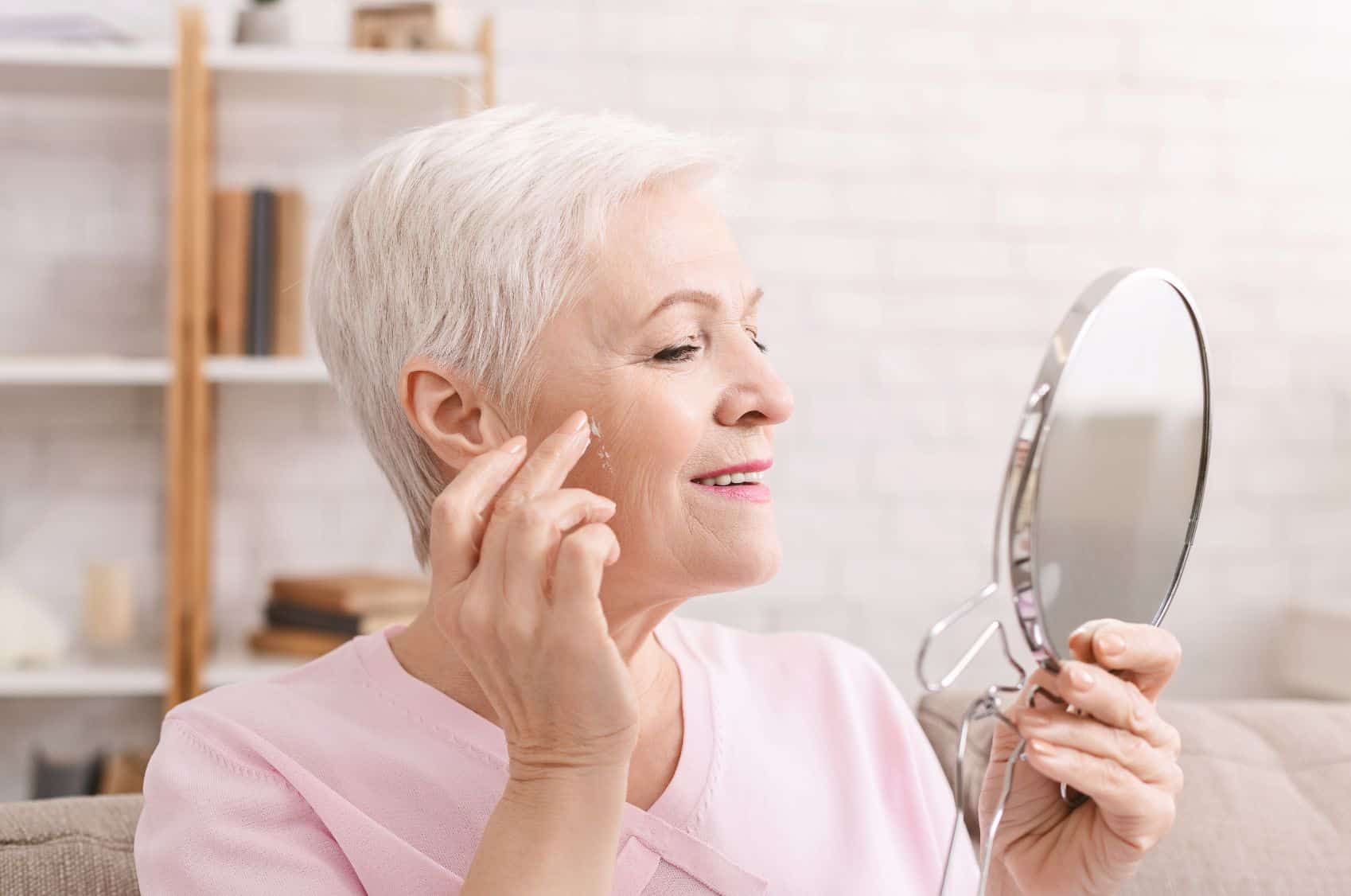
Choosing the right face mask can be the difference between a glowing complexion and skin that feels stripped or under-nourished. While both clay and anti-aging masks are staples in a modern skincare routine, they serve fundamentally different purposes. One acts as a deep-cleansing “vacuum” for your pores, while the other serves as a nutrient-rich “infusion” to restore youthfulness and elasticity.
Quick Answer: Which Should You Use?
If your primary concern is excess oil, blackheads, or visible pores, a clay mask is your best choice. It specializes in detoxification and oil control. However, if you are focused on fine lines, sagging skin, or dryness, an anti-aging mask is essential. For those with mature skin that still experiences occasional congestion, using both—a technique known as multi-masking—often yields the best results.
Clay Masks vs Anti-Aging Masks Comparison Table
|
Feature
|
Clay Mask (Purifying)
|
Anti-Aging Mask (Treatment)
|
|
Primary Goal
|
Detoxification & Oil Control
|
Hydration & Elasticity
|
|
How It Works
|
Adsorbs impurities and excess sebum
|
Infuses skin with collagen-boosting actives
|
|
Key Ingredients
|
Kaolin, Bentonite, Mung Bean
|
Bifida Ferment, Peptides, Collagen
|
|
Best For
|
Oily, acne-prone, or congested skin
|
Mature, dry, or aging skin
|
|
Frequency
|
1–2 times per week
|
2–3 times per week (or as needed)
|
|
Immediate Result
|
Matte finish, refined pores
|
Plumper, smoother, and hydrated skin
|
What Is a Clay Mask?
A clay mask is a purifying treatment designed to draw out impurities from deep within the pores. Utilizing natural minerals like Kaolin or Bentonite, these masks act through a process called adsorption. As the clay dries, it binds to excess sebum, pollutants, and bacteria, lifting them away when the mask is rinsed off.
For example, the Mung Bean Deep Cleansing Clay Mask uses micronized kaolin clay to absorb excess oil and leave skin feeling less greasy after use” This makes clay masks an excellent tool for maintaining a clear, shine-free complexion, particularly in humid climates or for those with active oil glands.
What Is an Anti-Aging Mask?
Unlike clay masks that “pull” things out, anti-aging masks are designed to “push” active ingredients into the skin. These masks focus on repairing the skin barrier and stimulating the production of structural proteins like collagen and elastin. As we age, collagen production naturally declines, contributing to fine lines and loss of firmness.
High-quality anti-aging treatments, such as the Time Reverse Anti-Wrinkles Reviving Face Mask, utilize powerful concentrations of Bifida Ferment Lysate, Peptides, and Antioxidants like Astaxanthin. These ingredients work synergistically to flood the skin with moisture, neutralize free radicals, and signal the skin to repair itself, resulting in a more resilient and youthful appearance.
Can Mature Skin Use Clay Masks?
Yes, mature skin can—and often should—use clay masks, but with a different objective. While younger skin uses clay for oil control, mature skin benefits from the gentle exfoliation clay provides. By removing dead skin cells and refining the skin’s surface, a clay mask prepares the skin to better absorb the potent serums and moisturizers that follow. The key for mature skin is to choose a gentle formula, such as one containing Mung Bean extract, which offers antioxidant protection without over-drying the skin.
Which Mask Suits Your Skin Concern?
Identifying your primary skin concern is the most effective way to decide which mask to reach for during your weekly “self-care” session.
Oily or Acne-Prone Skin
If you struggle with a “shiny” T-zone or frequent breakouts, a clay mask is non-negotiable. It helps regulate sebum production and prevents the pore blockages that lead to acne. Look for ingredients like Lactobionic Acid to help refine pores while the clay cleanses.
Mature, Dry, or Aging Skin
For skin that feels tight, looks dull, or shows visible fine lines, an anti-aging mask is the priority. These masks provide the deep hydration and “firming” signals that daily moisturizers sometimes lack. They are particularly effective when used as a “recovery” treatment after a long day or before a special event.
Combination Skin
If you have an oily forehead and nose but dry, aging skin on your cheeks, you don’t have to choose. Apply a clay mask to your oily areas and an anti-aging sheet mask or cream mask to your drier areas. This ensures every part of your face receives exactly what it needs.
Can You Use Both? Multi-Masking
Multi-masking is the professional secret to a balanced complexion. You can use a clay mask first to “prep” and detoxify the skin, followed immediately by an anti-aging mask to “replenish” and hydrate. This two-step process ensures that your anti-aging ingredients are penetrating a clean, receptive surface, maximizing their effectiveness.
Recommended Anti-Aging Mask
For those looking to address visible signs of aging, the Time Reverse Anti-Wrinkle Reviving Mask can be a suitable option.
This mask is formulated with Bifida Ferment Lysate, peptides, and antioxidants to support hydration, elasticity, and smoother-looking skin. It is designed to:
-
Boost hydration: Helps improve moisture levels, making skin appear plumper and reducing the appearance of fine lines
-
Improve elasticity: Supports the skin’s structure for a firmer-looking appearance
-
Brighten skin tone: Contains niacinamide to help reduce dullness and uneven tone
Whether you are noticing early signs of aging or looking to support mature skin, this mask can be incorporated into your routine to improve hydration and overall skin appearance over time.
FAQs
How often should I use a clay mask if I have wrinkles?
Limit clay mask use to once a week. Focus on gentle application and follow up immediately with a hydrating serum or an anti-aging mask to ensure your skin remains plump and hydrated.
Can anti-aging masks cause breakouts?
Most modern anti-aging masks are formulated to be non-comedogenic. However, if you have very oily skin, ensure you are still using a purifying treatment like a clay mask once a week to keep your pores clear.
Should I use a clay mask before or after an anti-aging mask?
Always use the clay mask first. Its job is to cleanse and prepare the skin. The anti-aging mask should follow to infuse the freshly cleaned skin with nutrients.

 By
Admin
By
Admin