
How Often Should You Use an Anti-Wrinkle Face Mask
-
 By
Admin
By
Admin

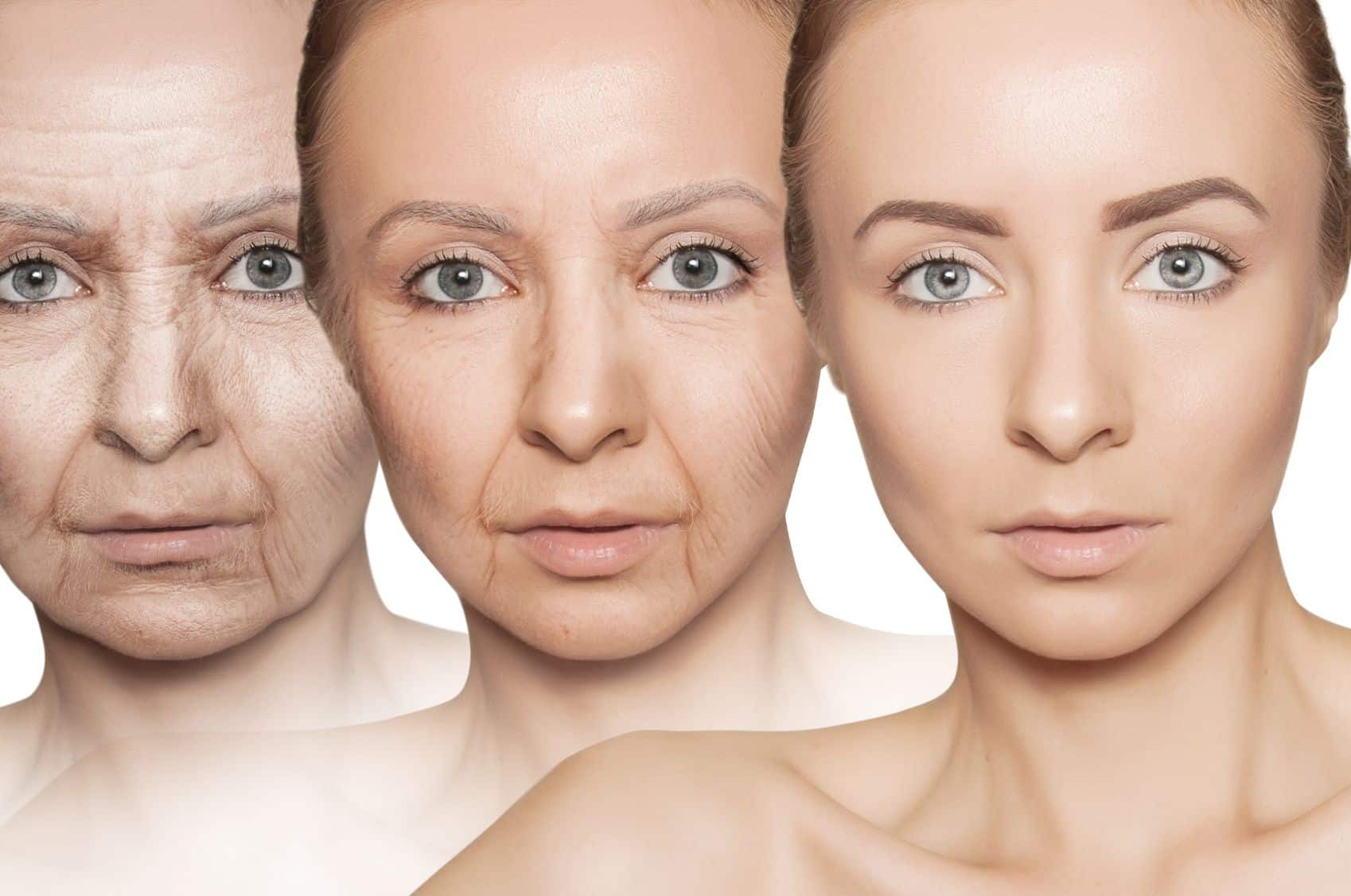
Recommended Frequency for Using Anti-Wrinkle Face Masks
Dermatologist-Recommended Frequency
Now we reach the key question: how often should you actually use an anti-wrinkle face mask?
Dermatologists generally recommend using face masks between one and three times per week, depending on the formula and your skin type.
Many experts suggest that once or twice per week is ideal for most people, especially when using masks designed to reduce wrinkles.
Here’s a general guideline:
| Skin Type | Recommended Frequency |
|---|---|
| Dry skin | 2–3 times per week |
| Normal or combination skin | 1–2 times per week |
| Oily or acne-prone skin | 1–2 times per week |
| Sensitive skin | Once every 7–10 days |
| Mature or aging skin | 2–3 times per week |
For anti-wrinkle masks specifically, many skincare experts suggest starting with once per week and increasing frequency only if your skin tolerates it well.
The key idea here is balance. Face masks provide concentrated ingredients, so the skin needs time between applications to recover and absorb the benefits.
Quick Guide: How Often to Use an Anti-Wrinkle Face Mask
-
Dry skin: 2–3 times per week to boost hydration and support the skin barrier.
-
Oily or acne-prone skin: 1–2 times per week to avoid overloading pores while still getting treatment benefits.
-
Sensitive skin: Start with once per week, then adjust based on how your skin reacts.
-
Mature or aging skin: 2–3 times per week depending on the mask formula and your skincare routine.
Regular but moderate use helps deliver active ingredients while avoiding irritation or overuse.
How Skin Type Affects Mask Frequency
Dry Skin
People with dry skin often benefit from using anti-wrinkle masks more frequently because hydration is essential for preventing fine lines. Dry skin lacks natural oils that keep moisture locked in, which makes wrinkles appear more pronounced.
For this reason, dermatologists often recommend using hydrating anti-aging masks two or three times per week for dry skin types.
Look for masks that contain ingredients like:
-
Hyaluronic acid
-
Ceramides
-
Squalane
-
Honey
-
Aloe vera
These ingredients deeply hydrate the skin and restore the moisture barrier. When skin remains well hydrated, it appears smoother and healthier.
Oily and Acne-Prone Skin
Oily skin may seem less prone to wrinkles at first, but it still needs proper care. People with oily or acne-prone skin should use anti-wrinkle masks once or twice per week to avoid clogging pores or triggering breakouts.
Lightweight formulas containing niacinamide or green tea extract work well for oily skin. These ingredients help control oil production while providing anti-aging benefits.
Sensitive Skin
Sensitive skin requires extra caution. Even gentle masks can sometimes trigger irritation due to fragrances, preservatives, or strong ingredients.
For this reason, dermatologists often suggest using masks once every 7–10 days for sensitive skin types.
Always perform a patch test before applying a new mask to your entire face.
Mature or Aging Skin
Mature skin tends to benefit from masks more frequently because collagen production slows down with age.
Using an anti-wrinkle mask two to three times per week can help maintain hydration, elasticity, and overall skin health.
Look for ingredients such as peptides, vitamin C, and antioxidants to support collagen production.
Why Overusing Face Masks Can Damage Skin
It might seem logical that using a mask every day would produce faster results. But in reality, too much skincare can actually harm your skin.
Dermatologists warn that frequent use of masks—especially those containing active ingredients like acids or retinol—can disrupt the skin barrier. This may lead to symptoms such as:
-
Redness
-
Irritation
-
Dryness
-
Breakouts
-
Increased sensitivity
Using strong masks too often can also cause something known as over-exfoliation, which weakens the skin and makes it more vulnerable to environmental damage.
Experts from dermatology organizations explain that masks with harsh ingredients or exfoliating acids can damage the skin barrier if used excessively.
Think of skincare like exercise for your skin. A healthy routine involves consistent effort but also recovery time. Applying too many treatments without giving your skin time to rest can backfire.
How to Use an Anti-Wrinkle Mask Correctly
Step-by-Step Application Guide
Using a mask properly is just as important as choosing the right one. A good routine typically looks like this:
-
Cleanse your face thoroughly.
-
Apply toner if part of your routine.
-
Apply the face mask evenly.
-
Leave the mask on for the recommended time.
-
Rinse or remove the mask.
-
Follow with moisturizer to lock in hydration.
Mistakes to Avoid
Common mistakes people make when using masks include:
-
Leaving masks on too long
-
Using them every day
-
Skipping moisturizer afterward
-
Mixing too many active ingredients
Avoiding these mistakes will help you get the best results.
Sheet Masks
Sheet masks are among the most popular skincare treatments today. They consist of a fabric sheet soaked in serum and applied directly to the face.
Most dermatologists recommend using sheet masks one to three times per week depending on your skin type.
Clay or Mud Masks
Clay masks help remove excess oil and impurities from pores. They are best suited for oily or combination skin.
These masks should typically be used once or twice per week because they can be drying if overused.
Overnight Masks
Overnight masks are designed to stay on the skin while you sleep. They usually contain deeply hydrating ingredients that support skin repair during nighttime.
Experts often recommend using overnight masks two to three times per week for optimal results.
Choosing the Best Ingredients for Anti-Aging Masks
When selecting an anti-wrinkle mask, pay attention to the ingredient list. Some of the most effective ingredients include:
-
Hyaluronic acid – intense hydration
-
Peptides – support collagen production
-
Vitamin C – brightens and protects skin
-
Niacinamide – improves texture
-
Ceramides – strengthen skin barrier
These ingredients work together to maintain smooth and youthful skin.
How Anti-Aging Masks Work on the Skin
To understand the ideal frequency for anti-wrinkle masks, it helps to know how they actually work on your skin. Most masks function through something dermatologists call occlusion. When a mask covers the skin, it creates a temporary barrier that traps moisture and enhances the absorption of beneficial ingredients. This allows active compounds like peptides, antioxidants, or humectants to penetrate more effectively than when applied alone.
During the time the mask is applied—usually between 10 and 20 minutes—the skin absorbs hydration and nutrients. This process temporarily plumps the skin, making wrinkles appear softer and less noticeable. The effect is similar to inflating a slightly deflated balloon. Once the skin becomes well hydrated, fine lines become less visible and the surface appears smoother.
However, this effect is temporary rather than permanent. Anti-wrinkle masks don’t rebuild collagen overnight or erase deep wrinkles instantly. Instead, they provide short-term benefits such as:
-
Improved hydration
-
Reduced appearance of fine lines
-
Smoother skin texture
-
Brighter and healthier glow
Because the effects are temporary, many people are tempted to use masks frequently to maintain that glowing appearance. But this is where moderation becomes crucial. Overuse can lead to skin sensitivity, clogged pores, or irritation, especially if the mask contains active ingredients like acids or retinol.
Dermatologists often compare face masks to nutritional supplements—they enhance your routine but don’t replace healthy daily habits. Regular cleansing, moisturizing, and sun protection still play the biggest roles in preventing wrinkles over time.
Hydration and Skin Barrier Support
One of the biggest reasons people love anti-wrinkle face masks is the intense hydration boost they provide. Aging skin tends to lose moisture more easily because the skin barrier becomes weaker over time. When skin is dehydrated, wrinkles and fine lines become more noticeable. A hydrating mask can temporarily replenish moisture and restore a plump appearance.
Many anti-wrinkle masks contain humectants such as hyaluronic acid, glycerin, and panthenol, which draw water into the skin. These ingredients can hold many times their weight in water, helping the skin appear smoother and more elastic. When hydration levels improve, the surface of the skin becomes softer and more flexible, reducing the appearance of wrinkles.
Another benefit is strengthening the skin barrier. The barrier acts as the body’s natural shield against environmental stressors such as pollution, UV rays, and harsh weather. When this barrier becomes compromised, the skin loses moisture quickly and becomes prone to irritation. Anti-aging masks often include ingredients like ceramides or plant oils that help repair this protective layer.
Dermatologists often recommend hydrating masks especially during dry seasons or after long flights, when skin loses moisture quickly due to environmental factors. In those situations, a mask can restore balance and comfort within minutes.
However, hydration alone is not the only benefit. Anti-wrinkle masks also contain ingredients that help support the skin’s structural proteins.
Boosting Collagen and Elasticity
Another reason anti-wrinkle masks are so popular is their ability to support collagen and skin elasticity. Collagen is a protein responsible for keeping skin firm and youthful. Unfortunately, collagen production naturally decreases as we age, leading to sagging and wrinkles.
Many anti-aging masks contain ingredients designed to stimulate collagen production or protect existing collagen from damage. These ingredients often include:
-
Peptides
-
Vitamin C
-
Niacinamide
-
Antioxidants
-
Retinol or plant-based alternatives
These compounds help the skin maintain its structure and resilience over time. Antioxidants also play an important role by protecting skin from free radicals, which are unstable molecules created by pollution and UV exposure that accelerate skin aging.
However, it’s important to understand that topical collagen itself cannot deeply penetrate the skin due to its large molecular size. Instead, masks work by providing hydration and supporting ingredients that help the skin maintain elasticity.
This means the benefits of anti-wrinkle masks accumulate gradually with consistent but moderate use. Using them occasionally helps maintain smoother, healthier skin without overwhelming the skin barrier.
What Is an Anti-Wrinkle Face Mask
If you’ve ever browsed skincare aisles or scrolled through beauty videos online, you’ve probably noticed the growing popularity of anti-wrinkle face masks. These masks are designed to target visible signs of aging such as fine lines, wrinkles, dullness, and loss of elasticity. Unlike everyday skincare products like moisturizers or serums, face masks deliver a concentrated dose of active ingredients within a short period of time. Think of them as a quick “power boost” for your skin rather than a daily essential.
Anti-wrinkle masks come in several forms including sheet masks, clay masks, gel masks, peel-off masks, and overnight treatments. Most formulas contain hydrating ingredients such as hyaluronic acid, peptides, collagen boosters, antioxidants, and vitamins that temporarily plump the skin and improve its texture. Some masks also include mild exfoliating ingredients that help remove dead skin cells and reveal smoother skin underneath.
Dermatologists often describe face masks as supplements to a skincare routine rather than replacements for daily products. According to skincare experts, masks can deliver temporary improvements in hydration and brightness but they work best when paired with consistent routines including sunscreen, moisturizers, and anti-aging serums.
Another important point many people overlook is that face masks are not meant for daily use in most cases. They are intensive treatments designed to be used periodically to refresh the skin. Just like you wouldn’t drink five cups of coffee at once for energy, overusing skincare treatments can overwhelm your skin barrier and cause irritation.
So the real question becomes: how often should you actually use them to see results without harming your skin?
Conclusion
Anti-wrinkle face masks can be a powerful addition to your skincare routine when used correctly. They deliver concentrated hydration and beneficial ingredients that help reduce the appearance of fine lines and improve skin texture. However, more is not always better.
For most people, the ideal frequency is one to three times per week, depending on skin type and mask ingredients. Overusing masks may lead to irritation or skin barrier damage, while moderate use allows the skin to absorb benefits effectively.
Think of anti-aging masks as a skincare boost rather than a daily requirement. Combined with sunscreen, moisturizers, and healthy habits, they can help keep your skin looking fresh, hydrated, and youthful for years to come.
FAQs
1. Can I use an anti-wrinkle face mask every day?
In most cases, daily use is not recommended. Dermatologists usually suggest using masks 1–3 times per week to avoid irritation or over-treating the skin.
2. What is the best time to apply an anti-wrinkle mask?
Evening is often the best time because the skin repairs itself overnight and can better absorb nourishing ingredients.
3. Do anti-wrinkle masks permanently remove wrinkles?
No. They provide temporary improvements in hydration and smoothness but cannot permanently erase wrinkles.
4. Should I moisturize after using a face mask?
Yes. Applying moisturizer afterward helps seal in hydration and strengthen the skin barrier.
5. How long should I leave a face mask on?
Most masks should remain on the skin 10–20 minutes, depending on the product instructions.